
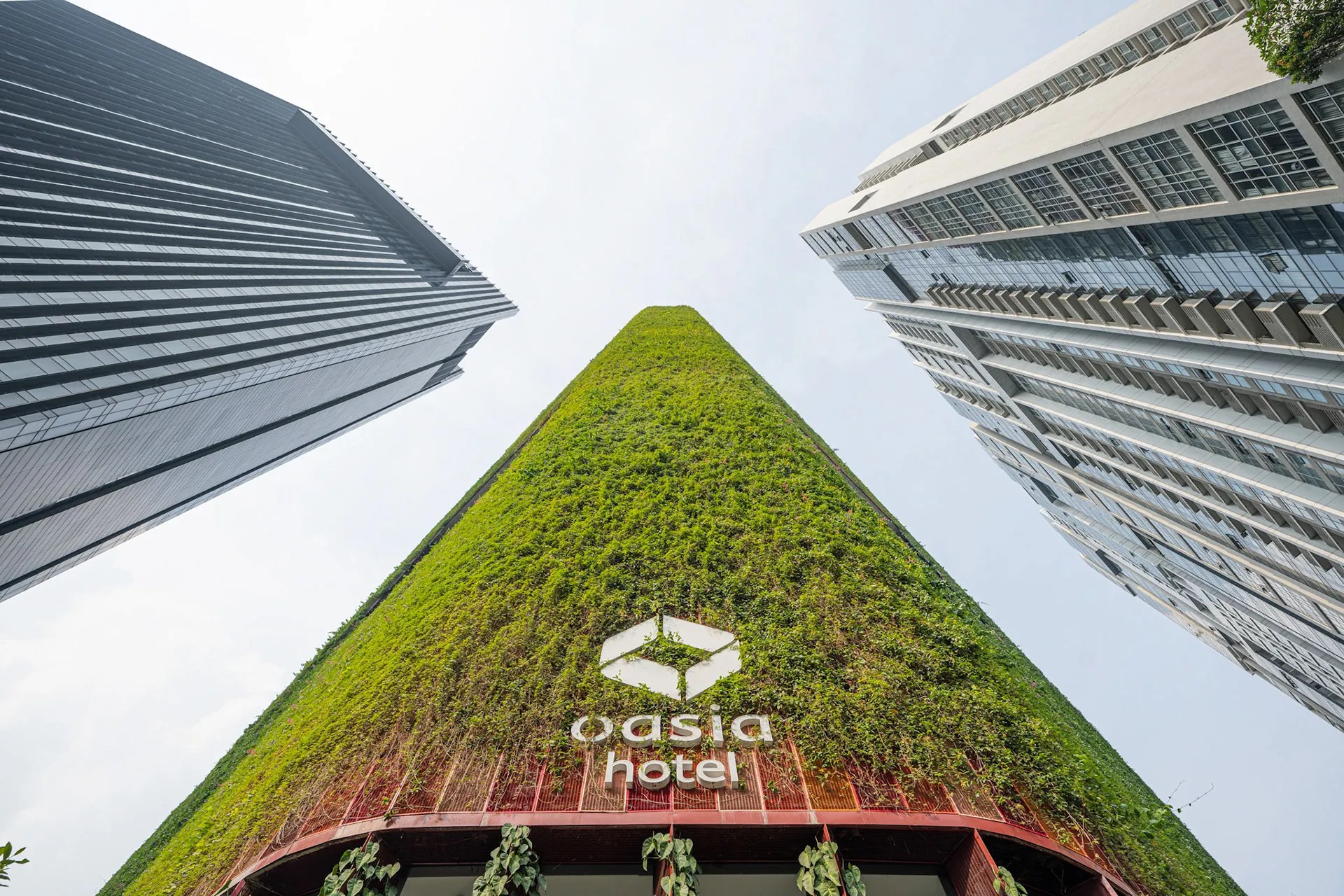
The façade is one of the most important parts of any modern building. It defines the architectural identity of the structure, protects the interiors from external weather, supports energy performance, and contributes to occupant comfort.
Across the world, façade design is no longer limited to glass and aluminium. Architects, developers, and façade consultants now use a wide range of materials depending on climate, building type, budget, sustainability goals, fire safety, maintenance requirements, and visual intent.
From high-rise towers in Dubai and Singapore to commercial buildings in India, stone-clad hotels in Europe, and terracotta façades in institutional buildings, material selection plays a major role in the success of a project.
1. Glass: The Face of Modern Architecture
Glass remains one of the most widely used façade materials across the world. It gives buildings a transparent, premium, and contemporary appearance while allowing daylight into the interiors.
Modern façade glass includes double-glazed units, laminated safety glass, toughened glass, heat-strengthened glass, acoustic glass, low-emissivity glass, and solar-control glass. Each type of glass serves a specific purpose, such as reducing heat gain, improving safety, controlling noise, or enhancing energy efficiency.
In commercial towers, hotels, airports, hospitals, and luxury residences, glass is often combined with aluminium systems to create curtain walls, windows, skylights, canopies, and structural glazing façades.
2. Aluminium: Lightweight, Durable, and Highly Versatile
Aluminium is one of the most important materials in façade construction. It is commonly used for curtain wall frames, windows, doors, fins, sunshades, louvers, cladding support systems, and unitized façade panels.
Its popularity comes from its light weight, corrosion resistance, design flexibility, and ability to accept high-quality finishes such as anodizing and powder coating. Aluminium also allows precise fabrication, making it suitable for both stick curtain wall systems and unitized façade systems.
However, as sustainability becomes more important, the industry is also paying greater attention to recycled aluminium, low-carbon aluminium, and responsible sourcing. UNEP notes that embodied carbon from construction materials such as cement, steel, and aluminium remains a major challenge for the building sector. UNEP – UN Environment Programme
3. Natural Stone: Timeless and Premium
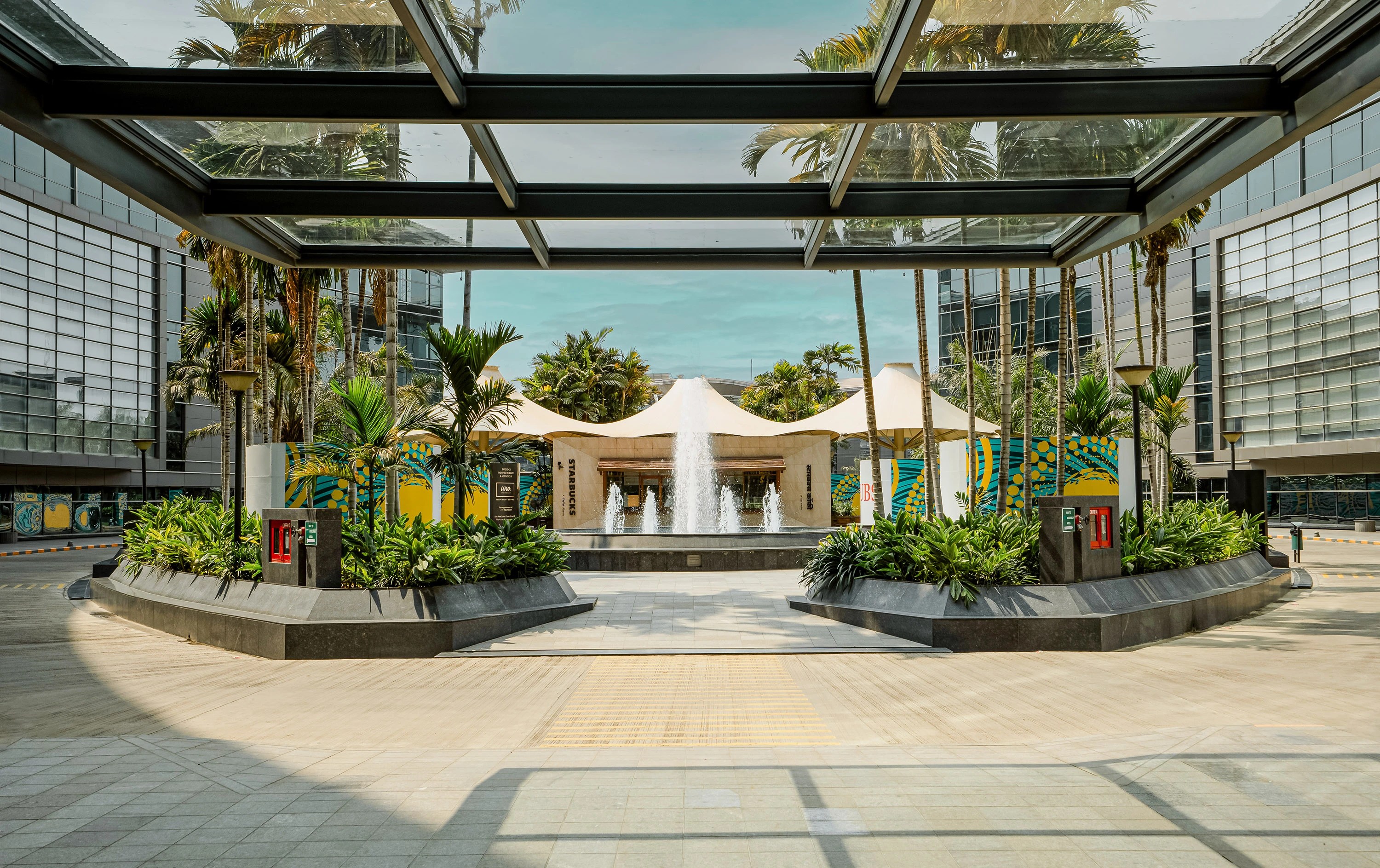
Natural stone has been used in architecture for centuries and continues to be a popular façade material in premium buildings, hotels, institutions, and civic projects.
Granite, marble, sandstone, limestone, and slate are commonly used depending on the region and design requirement. Stone gives a building a sense of permanence, luxury, and natural character.
In modern construction, stone is often used as dry cladding over a structural support system. This improves installation quality and allows better control over alignment, movement, and maintenance.
4. Terracotta: Traditional Material with Modern Performance
Terracotta façades are widely used in Europe, the Middle East, and parts of Asia for institutional, residential, and commercial buildings. Terracotta panels provide a warm, natural appearance and can be manufactured in different colours, profiles, textures, and sizes.
The material is durable, low-maintenance, and suitable for ventilated façade systems. Terracotta also works well where architects want a natural material appearance without using heavy stone.
5. Fibre Cement and High-Pressure Laminates
Fibre cement boards and high-pressure laminate panels are used in commercial, institutional, and residential façades due to their flexibility, lighter weight, and variety of finishes.
These materials are often selected for projects that require clean design lines, lower maintenance, faster installation, and cost-effective façade solutions. They are available in different textures, colours, and surface appearances, including wood, stone, and solid-colour finishes.

6. GRC and GFRC: Lightweight Architectural Forms
Glass Reinforced Concrete, also known as GRC or GFRC, is used where designers want complex shapes, fins, screens, cornices, decorative panels, or stone-like architectural features with reduced weight.
GRC is especially useful for hotels, cultural buildings, villas, religious buildings, and luxury façades where architectural detailing is important. It provides design flexibility while reducing the dead load compared to traditional solid concrete or heavy stone.
7. ACP, Solid Aluminium Panels, and Metal Cladding
Metal cladding systems are widely used across the world for commercial buildings, malls, industrial facilities, airports, and mixed-use developments.
Aluminium composite panels, solid aluminium panels, stainless steel, zinc, copper, titanium zinc, and weathering steel are common choices. These materials provide a sleek, modern appearance and can be used for flat panels, curved surfaces, soffits, canopies, fascia, and feature walls.
For any metal cladding system, fire rating, coating quality, fixing method, and long-term durability must be carefully reviewed.
8. Timber and Engineered Wood Façades
Timber façades are becoming increasingly popular in sustainable architecture, especially in Europe, North America, and parts of Asia. Wood gives warmth and natural character to buildings.
Engineered wood, treated timber, bamboo, and composite wood systems are used for screens, louvers, rainscreens, and feature façades. However, timber façades require proper detailing, weather protection, fire compliance, and maintenance planning.
9. The Sustainability Factor
Material selection is now closely linked with sustainability. World Green Building Council has highlighted the importance of reducing embodied carbon in new buildings, infrastructure, and renovations, with a target of at least 40% less embodied carbon by 2030. World Green Building Council
This means façade materials must be selected not only for appearance and cost, but also for durability, recyclability, maintenance, thermal performance, and carbon impact. Architecture 2030 also calls for major reductions in embodied carbon emissions from new buildings, infrastructure, and associated materials. architecture2030.org
Conclusion
There is no single perfect façade material. The best façade is always the result of choosing the right material for the right building, climate, budget, and performance requirement.
Glass and aluminium continue to dominate modern high-rise construction, while stone, terracotta, GRC, fibre cement, timber, and metal panels each offer unique design and technical advantages.
At MEIA Facade, we believe that a successful façade is not just about how a building looks; it is about how it performs, how long it lasts, and how intelligently the right materials are brought together.
References
- UNEP — Building Materials and the Climate: Constructing a New Future
Discusses embodied carbon from building materials including cement, steel, and aluminium.
https://www.unep.org/resources/report/building-materials-and-climate-constructing-new-future - World Green Building Council — Embodied Carbon
Highlights the need to reduce embodied carbon in new buildings, infrastructure, and renovations.
https://worldgbc.org/climate-action/embodied-carbon/ - Architecture 2030 — 2030 Challenge for Embodied Carbon
Calls for major reductions in embodied carbon emissions from new buildings, infrastructure, and materials.
https://www.architecture2030.org/2030_challenges/embodied/ - Carbon Smart Materials Palette — Material-Based Carbon Reduction Guidance
Provides guidance on reducing embodied carbon impact across building material categories.
https://www.materialspalette.org/


Leave a Reply